
by Manish Chandra | Mar 9, 2020 | Ayurveda, Cooking, Detoxification, Digestive Health, Gut Health, Mindful Eating, Seasonal, Wellness, Workshops
Join us on April 4th for our Ayurvedic Cooking Workshop. Includes a vegan and gluten free Ayurvedic meal at the end. In this workshop you will participate in cooking with Ayurvedic principles. You will learn how the use of herbs and spices can be used to enhance...
by Manish Chandra | Mar 4, 2020 | Ayurveda, blog
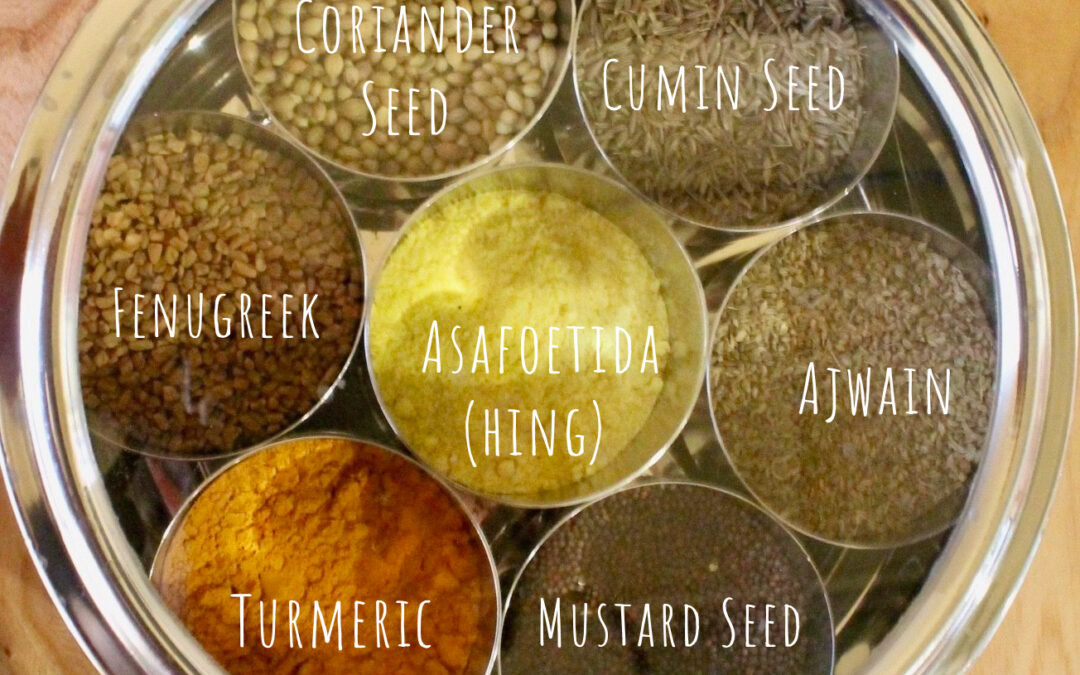
In this article we will explore seven of the core Ayurvedic spices and how they interact with our bodies and constitutions. Spices are revered and cherished in Ayurvedic culture because of their abilities of enhancing the digestive system and cleansing toxins (Ama)...

by Manish Chandra | Feb 26, 2020 | Ayurveda, blog
The modern age of technology has seriously made sleeping a challenge for our society as a whole. Under the system of capitalism, hard work and material gain is constantly prioritized over our inner peace and emotional stability. Sleep should be prioritized because...

by Manish Chandra | Feb 19, 2020 | Ayurveda, blog
There are six core philosophies in Ayurveda: Sankhya (evolving consciousness), Nyaya (logic), Visheshika (physics), Mimamsa (understanding truth), Yoga(unification) and Vedanta (ending of knowledge). These concepts guide the nutritional and spiritual practices of...

by Manish Chandra | Feb 13, 2020 | Ayurveda, blog
In Vedic philosophy, Soma is the cosmic lunar, cool, calm and rejuvenating principle that balances the Agni, the principle of light, fire, heat and transformation. They can be thought of as Prakriti and Purusha or Shiva and Shakti, the feminine and masculine aspects...

by Manish Chandra | Feb 12, 2020 | Ayurveda, blog
As with any disease in Ayurveda, becoming overweight begins with the incorrect consumption of foods and lifestyle habits. These choices result in problems with Agni (digestive fire) and increased Ama (toxins). Elevated Ama disturbs the metabolic process and creates...