
Welcome to our Ayurvedic Herbal Spotlight! Each month, we’ll delve into seasonal herbs that can assist you in maintaining balance. We will explore their medicinal actions, how they make you feel, their warming or cooling nature, and which doshas they benefit. Let’s enhance our well-being naturally!
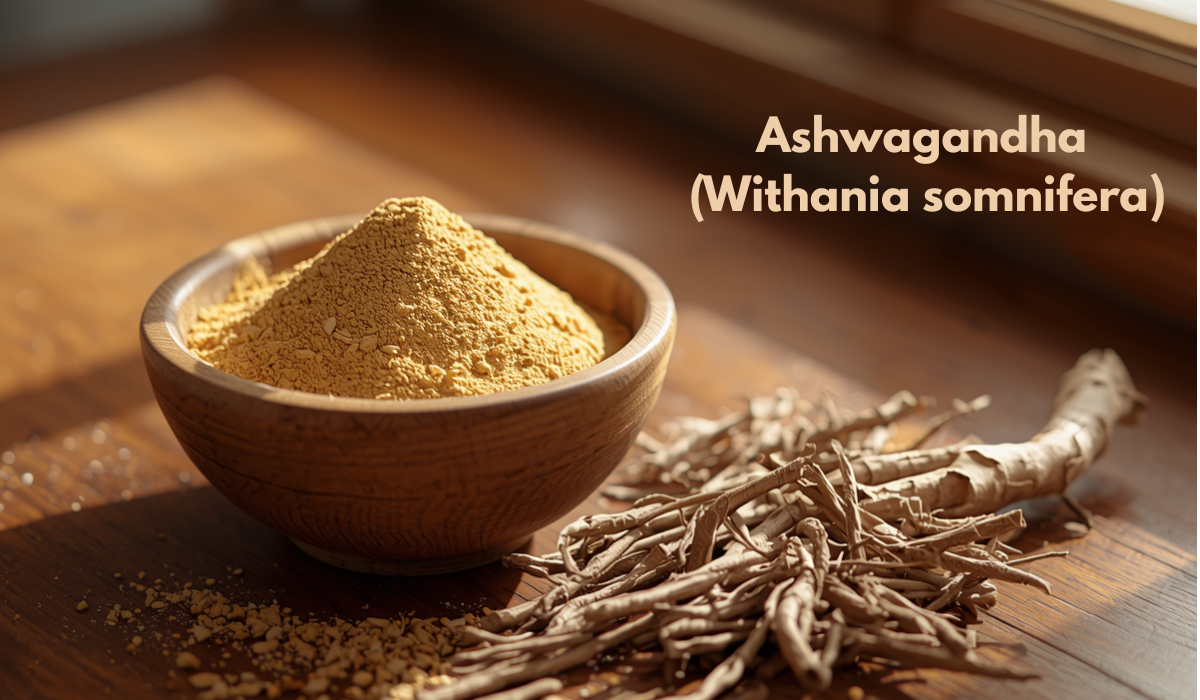
Ashwagandha (Withania somnifera)
One of the most popular Ayurvedic herbs in modern times is the root of Ashwagandha, which literally translates to “the essence of a horse” in Sanskrit, reflecting the power and stamina, but conversely also the grace and peacefulness embodied by horses. The latin name, Withania somnifera, translates to “sleep-inducing,” which further signifies the relaxing quality of this treasured herb. Ashwagandha is also known is Ayurveda as a ‘rasayana’ herb, meaning that it restores and rejuvenates the body, increasing vitality and longevity.
In Western medicine, Ashwagandha is classified as an adaptogen, a type of herb that supports healthy stress responses “via their action on the Hypothalamic Pituitary Adrenal (HPA) Axis” (Boye, 2025). Ashwagandha is unique in the fact that it has the ability to “strengthen an exhausted or agitated nervous system whilst at the same time calming it” (Herbal Reality, 2020).
Let’s dive into the energetics and medicinal actions of this superb healer!
Medicinal Properties
Medicinal Actions: Adaptogen, nervous system tonic, relaxant, stamina and endurance aid, reproductive tonic. It helps the body manage stress, restore vitality, and build resilience. It also supports the nervous system, enhances strength, and nourishes depleted tissues.
Nature: Warming, Grounding, and Strengthening.
How It Makes You Feel: Deeply calming and stabilizing; promotes a sense of rootedness, relaxation, and sustained energy.
Recommended For: Primarily beneficial for Vata and Kapha. May be used cautiously for Pitta in moderation.
Ashwagandha’s Key Medicinal Actions:
- Adaptogenic & Nervine Tonic: Helps the body adapt to stress, calms the nervous system, and supports restful sleep.
- Rejuvenative (Rasayana): Builds strength, vitality, and longevity by nourishing all tissues, especially muscle, bone, and reproductive tissue.
- Energy & Endurance Support: Enhances stamina without overstimulation; ideal for fatigue, burnout, or recovery.
- Hormonal & Thyroid Support: Helps regulate hormones and supports healthy endocrine function and sperm count and motility.
- Immune Support: Strengthens the immune system, improving white blood cell counts.
- Anti-inflammatory & Antioxidant: Reduces inflammation and protects against oxidative stress.
How Ashwagandha Affects the Doshas
Vata: Strongly pacifies Vata by grounding excess movement, calming anxiety, and promoting deep rest.
- Recommendation: Especially helpful for insomnia, nervous exhaustion, dryness, or overwhelm.
Pitta: Its warming quality may increase Pitta if taken in excess, though its calming effect can still support stress-related Pitta imbalance.
- Recommendation: Use moderately and consider pairing with cooling herbs if Pitta is elevated.
Kapha: Can be beneficial in small amounts by supporting strength and metabolism, though its heavy nature may increase Kapha if overused.
- Recommendation: Best combined with warming, stimulating herbs (like ginger or turmeric) to avoid sluggishness.
Ashwagandha Moon Milk (Ayurvedic Sleep Tonic)
This is a deeply nourishing nighttime drink that can calm the nervous system, support restful sleep, and gently rebuild energy—especially helpful for those with a Vata imbalance, stress, and burnout. It is a delicious way to bring this rejuvenating herb into your evening routine.
Ingredients (1 serving):
- 1 cup milk (whole milk, or almond/oat for dairy-free)
- ½ tsp Ashwagandha (Withania somnifera) powder
- ¼ tsp ground cinnamon
- Pinch of ground nutmeg
- ¼ tsp turmeric
- 1 tsp ghee
- 1–2 tsp honey or maple syrup (add after heating)
Instructions:
- In a small saucepan, gently warm the milk over low heat (do not boil).
- Whisk in Ashwagandha, cinnamon, nutmeg, and turmeric.
- Simmer on very low for 5–10 minutes, stirring occasionally.
- Remove from heat and let cool slightly.
- Stir in honey or maple syrup and ghee.
- Pour into your favorite mug and sip slowly before bed.
Conclusion
While Ashwaghanda has become a super popular herb recently, it is not recommended for everyone without professional guidance. Nor should it be consumed for the long-term as there is a possibility of risk to thyroid and liver health. It is also not recommended for individuals who are pregnant, breastfeeding, or taking medication for diabetes, high blood pressure, or immunosuppressants, unless first consulting with a doctor.
The goal of this potent medicine is to help those who are experiencing extreme times of stress and overwhelm to return to balance and enhance the body’s natural strength. For those who have been feeling depleted, experiencing chronic insomnia or weakened immunity, Ashwagandha could be the perfect ally on the road back to vitality!
Sources: https://ods.od.nih.gov/factsheets/Ashwagandha-HealthProfessional/
https://www.organicindiausa.com/blog/rasayana-herbs/
https://www.herbalreality.com/herb/ashwagandha/
04/14/2026