
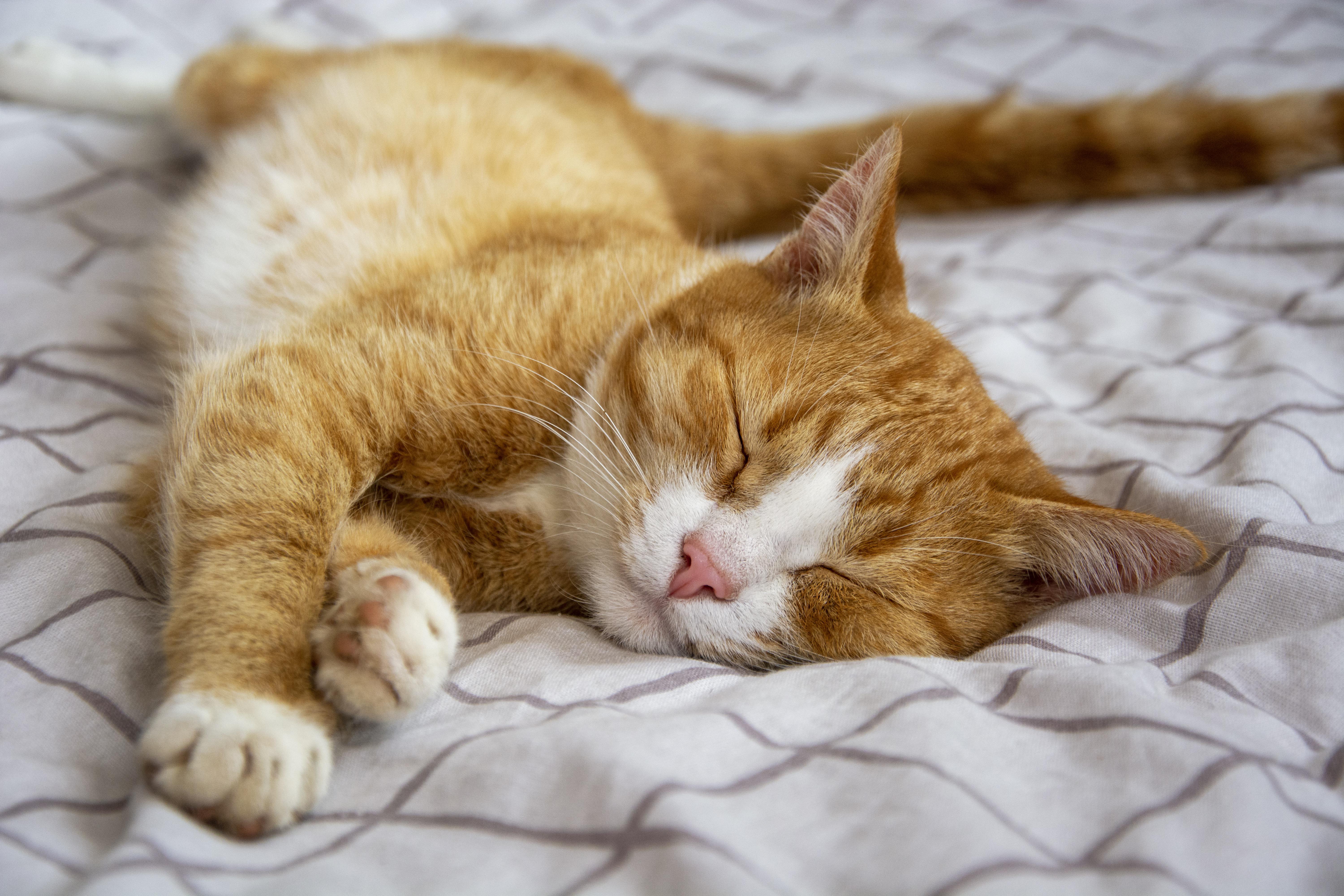
It’s that wonderful time of year once again! June’s longer days and warmer evenings can feel invigorating, but they can also leave many people tossing and turning at night. According to Ayurveda, summer is governed by Pitta dosha—the energy of heat, transformation, and intensity. As temperatures rise and daylight extends into the evening, the body’s natural rhythms can become overstimulated, making restful sleep more difficult.
Why Longer Days Can Disrupt Sleep
Summer’s increased sunlight naturally encourages activity, socializing, travel, and productivity. While this can be enjoyable, it can also create excess stimulation and heat within the body and mind.
From an Ayurvedic perspective, common reasons for summer sleep disturbances include:
- Increased Pitta aggravation from heat, sunlight, spicy foods, alcohol, or overwork
- Later bedtimes due to extended daylight hours
- Mental overstimulation from busy schedules and summer activities
- Dehydration, which can aggravate both Pitta and Vata
- Excess screen time in the evening, further disrupting natural circadian rhythms
When Pitta becomes excessive, people often experience difficulty falling asleep, waking between 10 PM and 2 AM, vivid dreams, irritability, or overheating during the night.
Evening Routines for Cooling the Nervous System
Ayurveda emphasizes creating a gradual transition from activity to rest. Instead of moving directly from work or screen time into bed, establish a calming evening ritual.
1. Eat an Earlier, Lighter Dinner
Aim to finish dinner by 7 PM whenever possible. Summer meals should be lighter and easier to digest than winter meals. Favor steamed vegetables, basmati rice, mung beans, fresh herbs, and cooling spices such as coriander, parsley, fennel, and mint. Avoid heavy, fried, spicy, or overly rich foods late in the evening.
2. Take a Gentle Evening Walk
A leisurely 10–20 minute walk after dinner can support digestion while helping the mind unwind. In Santa Cruz, an evening walk along the coast or through a local park can be especially nice to relax the nervous system before dark.
3. Reduce Heat and Stimulation
Some simple practices can help you relax, cool off, and sleep better. One hour before bed, try to do the following:
- Dim household lighting
- Limit phone and computer use
- Listen to calming music or nature sounds
- Practice gentle stretching or restorative yoga
4. Try Cooling Breathwork
Two Ayurvedic pranayama practices are especially beneficial during summer:
Sheetali Pranayama
- Curl the tongue into a tube and inhale through it.
- Exhale slowly through the nose.
- Repeat 8–12 rounds.
Sheetkari Pranayama
- Inhale through lightly parted teeth.
- Exhale through the nose.
- Repeat for several minutes.
These practices help cool excess heat and calm an overactive mind.
5. Create a Cooling Sleep Environment
Try to keep the bedroom dark, quiet, well ventilated, and free of electronic distractions. Natural cotton or linen bedding and lighter blankets are often more comfortable during warmer months. A small fan or a slightly open window can also help to circulate air in a warm room.
Dosha-Specific Bedtime Recommendations
Vata Types: Vata individuals are sensitive to changes in routine and may struggle with racing thoughts.
Focus on:
- Consistent bedtime (ideally by 10 PM)
- Warm oil foot massage with sesame oil
- Gentle stretching
- Herbal teas such as chamomile or licorice
Pitta Types: Pitta individuals often experience overheating, frustration, or waking during the middle of the night.
Focus on:
- Cooling moonlight walks
- Rose, mint, or fennel tea
- Avoiding late-night work
- Keeping the bedroom cool
Kapha Types: Kapha individuals generally sleep well but may feel sluggish or groggy.
Focus on:
- Avoiding daytime naps
- Light evening meals
- Gentle movement after dinner
- Waking with the sunrise rather than oversleeping
Conclusion
As summer unfolds, remember that sleep is an active process of restoration. By cooling excess heat, honoring natural rhythms, and creating nourishing evening rituals, you can support deeper rest and carry more vitality into the bright months ahead.
Reflection for the Week:
What part of your evening routine is adding stimulation rather than promoting rest? Consider choosing one small habit to adjust this week and notice how your sleep responds.